
Pest animals
Pest animals are non-native species which pose a biosecurity threat — they often have negative environmental, economic and social impacts on Port Stephens. Find out which animals are pests, who is responsible for managing pest animals and who to contact.
What is a pest animal?
Pest animals are managed under the Biosecurity Act 2015, according to the Hunter Regional Strategic Pest Animal Management Plan. This plan sets out the pest animals which must be managed in Port Stephens and how to manage them.
To find out more about Council’s approach to managing pest animals see Council’s Biosecurity Management Plan.
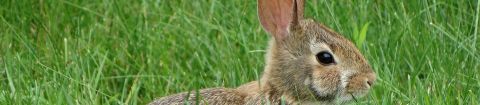
Rabbits can pose challenges to our environment, agriculture and landscape health. Local Land Services (LLS) is the designated authority for managing these pests. Council undertakes regular pest species management on its owned and managed lands.
Targeted pest rabbit control in Raymond Terrace and Medowie
We have received a high number of complaints for residents, sporting clubs and other concerned community members due to a significant rise in pest rabbit populations in and around Medowie and Raymond Terrace.
We are undertaking a targeted pest rabbit treatment program to manage this and help protect public infrastructure and improve community safety.
A licensed contractor will release the European Rabbit RHDV2 (calicivirus) at specific parks and sporting complexes starting from 24 September 2026 for around 4 weeks. This is weather dependent.
The RHDV2 virus only affects rabbits. It is completely harmless to humans, dogs, cats and other native wildlife.
Where is this happening?
Medowie
- Boyd Oval
- Yulong Park
- Ferodale Oval
Raymond Terrace
- Lakeside Reserve
- King Park
- Lakeside Sporting Complex
Why is this happening?
Wild rabbits cause significant damage to local sports fields, create trip hazards and impact public safety. We are acting on a high volume of requests from community members and sporting groups to address this issue.
How does the treatment work?
- Method: A licensed contractor will use baited carrot stations.
- Duration: The stations will be active for up to 4 weeks.
- Safety: The RHDV2 virus only affects rabbits. It is completely harmless to humans, dogs, cats and other native wildlife.
What do pet rabbit owners need to do?
The calicivirus is lethal to all unvaccinated rabbits.
- Check your pet rabbit’s vaccinations are completely up to date.
- Contact your local veterinary clinic immediately if you need advice.
- We have also notified local vets in Medowie and Raymond Terrace of this management plan and timeframes.
Important safety information during baiting
To ensure the program is safe and successful, we ask all park visitors to:
- Follow signs: Comply with instructions posted in treatment areas.
- Leave bait alone: Do not touch or move any carrots.
- Control pets: Keep all domestic animals on leads and away from bait stations.
- Stay clear: Avoid entering specific zones marked as active treatment areas.
Managing pest rabbits on your own property
Rabbit control decision tool
Need help choosing the best method of rabbit control on your property? The LLS rabbit control decision tool is a practical resource to help you understand which primary and secondary control measures may be appropriate to your property and context. You can access the tool here.
Contact Information
For further technical assistance, please contact LLS:
- Email: admin.hunter@lls.nsw.gov.au
- Phone: 1300 795 299
- For detailed information on how to manage and control rabbits, visit the LLS website: Rabbits and Pest Control
For more information on pests in NSW, visit the Department of Primary Industries Pest Species in NSW website.
Who is responsible for pest animals?
All community members have a general biosecurity duty (GBD) to prevent, minimise or eliminate any biosecurity risk.
Land owners or occupiers must continually suppress and destroy pest species that pose a biosecurity risk in line with the Local Land Services Act 2013 and the Biosecurity Act 2015.
Local Land Services (LLS) is the regulatory authority on pest animals with the Department of Primary Industries (DPI) and are responsible for the legislation for vertebrate pest control. It's Local Land Services' role to develop community programs, provide advice, assist land managers and participate in on-ground detection and control.
Port Stephens Council is only responsible for the management of vertebrate pest animals on land we own, occupy or manage.
Who to contact
| Query | Organisation | Contact information |
|---|---|---|
| Report pest animals (non-Council Land) | Hunter Local Land Services | 1300 795 299 |
| Pest animal control advice | Hunter Local Land Services | 1300 795 299 |
| Report pest animals (Council land) | Port Stephens Council | 02 4988 0255 |
| Stray cats and dogs | Port Stephens Council | 02 4988 0255 |
| Report unusual animal sightings | Department of Primary Industries | |
| Bees on Council land posing a threat to safety | Port Stephens Council | 02 4988 0255 |
| Bees on private land | Amateur Beekeeper Association NSW | Find a Beekeeper |